
Maral Maghsoudi
Machine Learning Researcher & Computational Scientist in Biomedical Data Science
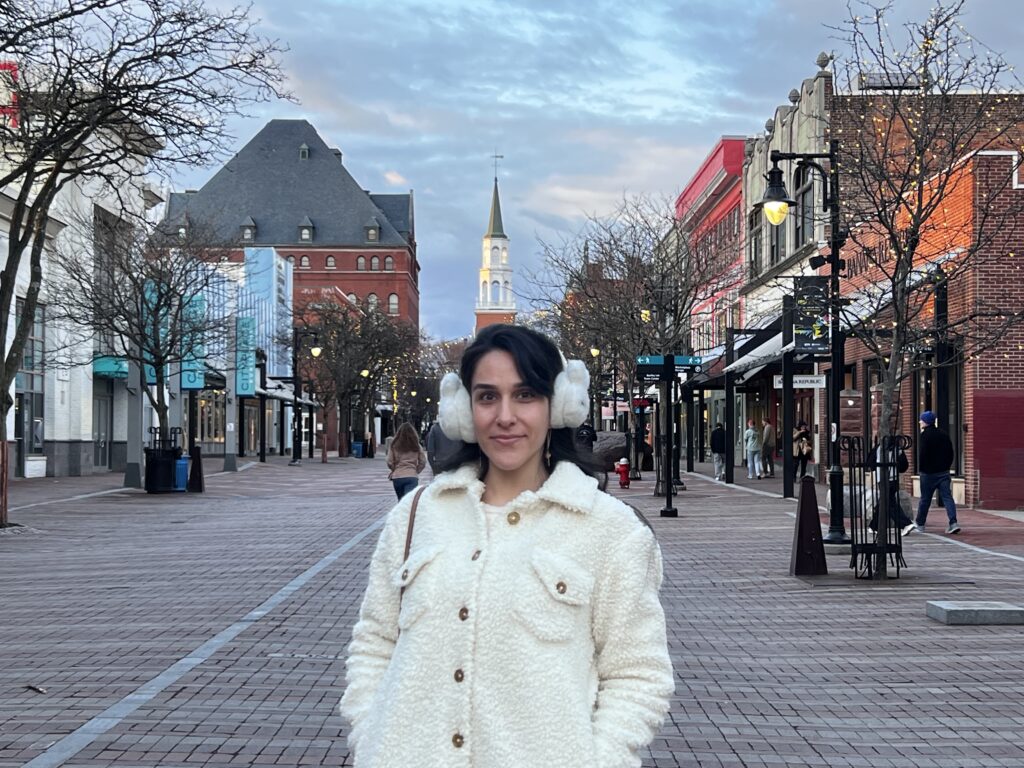
I’m Maral (Zeynab) Maghsoudi, a Computer Scientist and PhD Candidate working at the intersection of machine learning, bioinformatics, and statistical modeling to extract meaningful insights from complex biomedical data.
My research spans large-scale proteomics, multi-omics integration, biomarker discovery, patient stratification, and individualized molecular profiling. Most recently, at Johnson & Johnson Innovative Medicine, I developed interpretable machine learning approaches using UK Biobank plasma proteomics and clinical data to characterize shared and disease-specific signatures across neuropsychiatric disorders, identify patient subtypes, and support biomarker discovery and therapeutic target prioritization.
My broader research includes developing personalized pathway analysis methods using autoencoders and matrix factorization, co-developing the RCPA R package for reproducible pathway analysis, and collaborating with NASA GeneLab to investigate conserved biological responses to spaceflight across species.
I am also developing LLM-driven and agentic AI systems for biomedical research, including PathLit-Agent, which combines scientific literature retrieval, iterative evidence synthesis, and structured biological insight generation. My long-term goal is to bridge artificial intelligence, computational biology, and data science to develop interpretable and reliable computational approaches that accelerate biomedical discovery and precision medicine.
Education
Research Interests
Ph.D. in Computer Science
University of Nevada, Reno
GPA: 3.8/4.0
Research: Development of Computational Methods for Analyzing Single/Multi-Omics Data for Systems-Level Understanding
M.Sc. in Software Engineering
Iran University of Science and Technology
GPA: 4.0/4.0
Research: A New Hybrid Approach to Malware Detection and Classification Using Machine Learning and Behavioral Analysis
B.Sc. in Software Engineering
University of Arak, Iran
GPA: 3.4/4.0
Project: Investigating of Attacks in Computer Networks
My Ph.D. research focuses on developing machine learning and statistical methods for analyzing high-dimensional biological data, with an emphasis on multi-omics integration, pathway analysis, and individualized molecular profiling. I have developed computational frameworks that integrate mRNA, methylation, and CNV data using approaches such as matrix factorization and autoencoders to derive patient-specific pathway activity and identify molecular aberrations.
My research also spans large-scale proteomics, transcriptomics, and single-cell data, with applications in biomarker discovery, disease characterization, and systems-level interpretation of biological mechanisms. In addition to developing new computational methods, I have extensive experience with pathway and gene set analysis and reproducible bioinformatics workflows across large-scale biomedical datasets.
More recently, I have expanded my research into LLM-driven and agentic AI systems for biomedical discovery, developing approaches that integrate scientific literature retrieval, evidence synthesis, and structured biological reasoning. Overall, my work combines machine learning, statistical modeling, bioinformatics, and systems biology to develop interpretable and scalable computational methods for precision medicine and translational research.
Technical Skills
Selected Projects
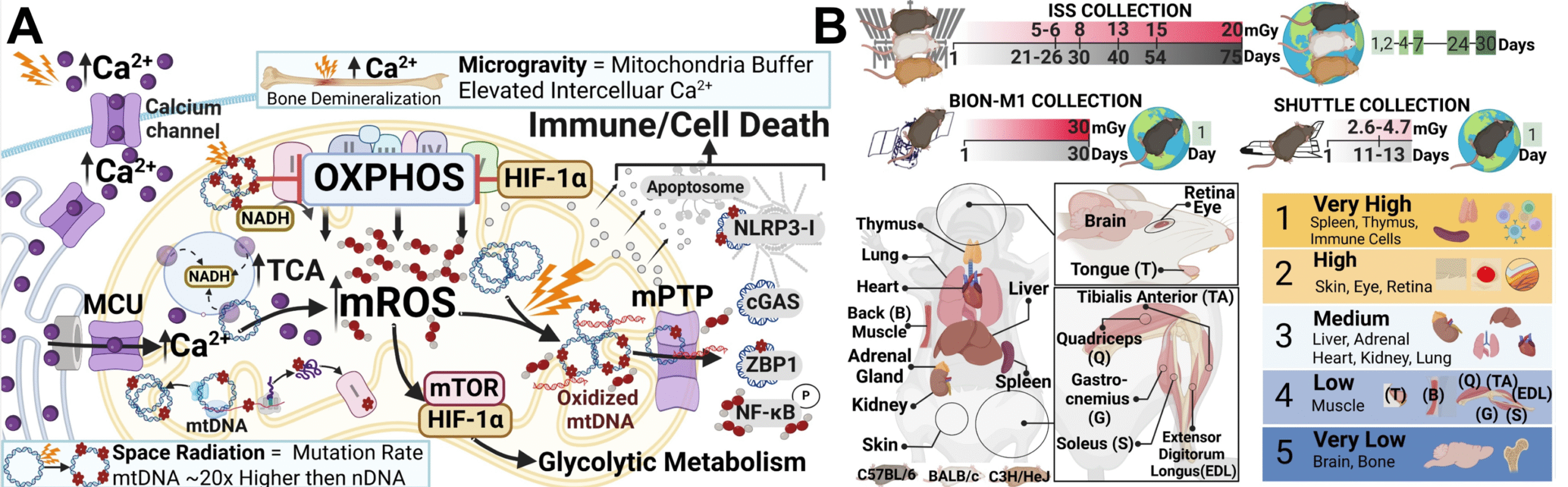
Pathway analysis and meta-analysis across multiple NASA GeneLab spaceflight datasets revealed consistent mitochondrial dysfunction signatures across tissues and missions, highlighting altered OXPHOS, ROS signaling, and immune-related pathways.
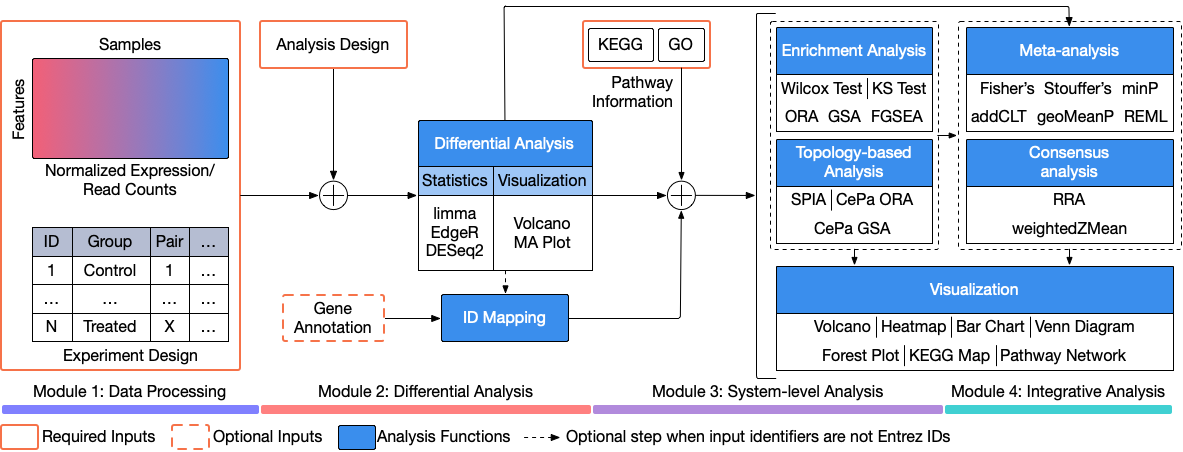
The R package for Consensus Pathway Analysis (RCPA) implements a complete analysis pipeline including: i) download and process data from NCBI Gene Expression Omnibus, ii) perform differential analysis using techniques developed for both microarray and sequencing data, iii) perform systems-level analysis using different methods for enrichment analysis and topology-based (TB) analysis, iv) perform meta-analysis and consensus analysis, and v) visualize analysis results and explore significantly impacted pathways across multiple analyses. The package supports the analysis of more than 1,000 species, two pathway databases, three differential analysis techniques, eight pathway analysis tools, six meta-analysis methods, and two consensus analysis techniques.
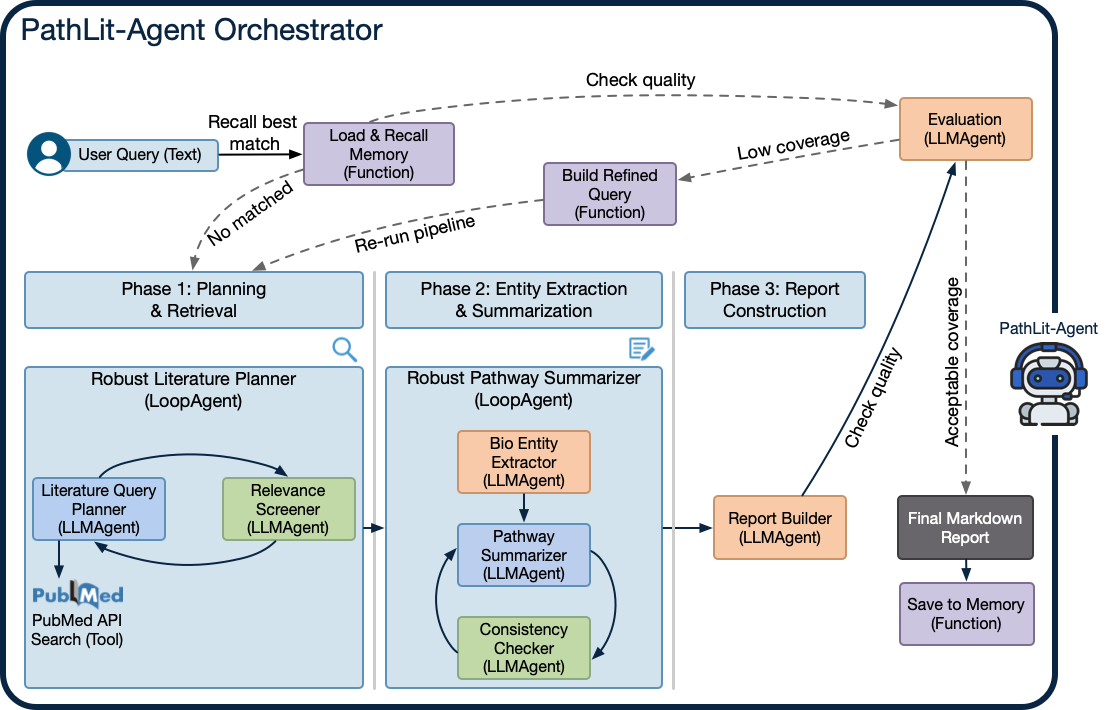
PathLit is an LLM-driven research assistant that plans literature search steps, retrieves relevant papers, summarizes findings iteratively, and generates structured biological insight. The workflow is built as a deterministic, phase-based pipeline with automated evaluation for multi-turn reliability.
Work Experience
Data Scientist & Bioinformatics Research Assistant
University of Nevada, Reno, USA
– Developed deep learning models (ResNet50, VGG-16) with advanced feature engineering (BEMD) for MRI-based breast mass classification, boosting diagnostic accuracy.
– Designed a personalized pathway analysis framework using sequential NMF for multi-omics (mRNA, methylation, CNV), improving tumor detection in TCGA data by up to 5%.
– Designed an autoencoder-based patient-level pathway analysis framework for multi-omics data, with highest accuracy for tumor detection in TCGA.
– Co-led development of the R package RCPA, enabling reproducible and scalable consensus pathway analysis workflows.
– Automated differential expression analysis for microarray/RNA-Seq with GEO support for 1,000+ species.
– Led pathway meta-analysis with NASA GeneLab, revealing mitochondrial dysfunction signatures across spaceflight datasets.
– Built an NGS variant calling pipeline for SARS-CoV-2 at Renown Hospital, ensuring accurate, reproducible mutation detection.
Teaching Assistant
University of Nevada, Reno, USA
– Mentored students in mitochondria-centered pathway analysis in collaboration with Purdue University Biomedical Engineering Department.
– Teaching assistant for Embedded System Design Lab for 3 years, managing and mentoring around 60 students each semester, designing lab assignments, and assisting in project-based learning.
Data Scientist Intern | Population Analytics & Insights (DDSAI)
Johnson & Johnson (J&J) Innovative Medicine, USA
– Developed an interpretable multi-task machine learning framework integrating plasma proteomics and clinical phenotypes from ~18,000 UK Biobank participants and ~3,000 proteins to characterize shared and disease-specific signatures across multiple neuropsychiatric disorders.
– Designed a PLS-enhanced classifier-chain XGBoost model with masked multi-label learning, achieving test AUCs up to 0.85 across schizophrenia, bipolar disorder, major depressive disorder, suicide, and insomnia-related phenotypes.
– Benchmarked modeling and feature engineering strategies, including neural networks, XGBoost, Random Forest, PCA, PLS, protein correlation features, pathway features, protein modules, and latent representations to identify the optimal predictive architecture.
– Applied SHAP-based interpretation and recursive feature reduction to identify disease-specific and shared protein drivers and derive compact 5-protein signatures per disease while retaining >90% of predictive performance.
– Discovered proteomically distinct insomnia subtypes through unsupervised learning and differential protein analysis, identifying an immune/inflammatory subtype with improved predictive discrimination (AUC ~0.84).
– Integrated predictive modeling with pathway enrichment, GWAS evidence, and target tractability/clinical-precedence analyses to prioritize biologically and therapeutically relevant protein targets; selected as a featured intern presenter at the J&J Intern Symposium.
C++ Developer | R&D Team Member
AmnPardaz, Tehran, Iran
– Researched and evaluated security solutions for antivirus tools.
– Designed, built, and maintained reliable and efficient C++ code.
– Collaborated with the software development team and provided technical feedback.
C# Developer
GoldIran (Representative of LG Products), Tehran, Iran
– Collaborated on programming the PDA to determine warehouse keeper’s tasks.
– Implemented the Warehouse Handling project to automate inventory checks.
– Collaborated on the Sales project to automate the process of taking customer purchase orders and handling further steps.
– Implemented the Soroush project to link all subsystems automatically through an automated workflow.
Malware Analysis Researcher | C# | Machine Learning
Iran University of Science and Technology, Tehran, Iran
– Developed a hybrid malware detection pipeline using static/dynamic analysis and machine learning.
– Built static analysis module to extract control flow features from system calls.
– Applied dynamic analysis using Pin and Cuckoo Sandbox for behavioral profiling.
– Enhanced malware detection performance by 7% via anti-analysis detection techniques.